A consultant who'd never run a clinic. A nurse practitioner brother. And the gap between knowing healthcare and knowing how to build one.
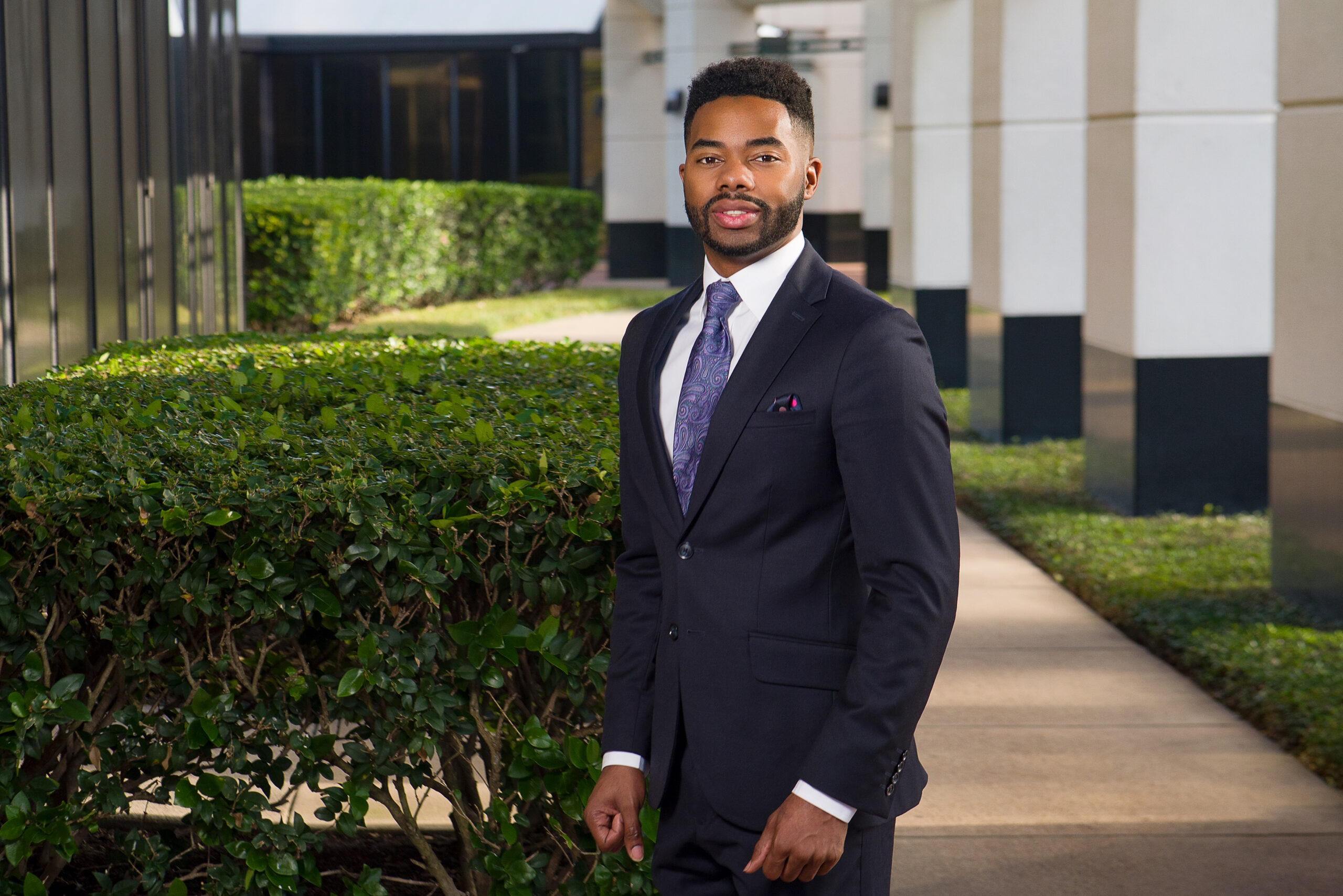
Trevin Tucker
Founder, ClinicianCEO
CH. 01Where it began
Two brothers. One clinic. Zero roadmap.
When my brother Michael and I decided to open PUUR, we knew exactly two things: he was a great nurse practitioner, and I knew healthcare from the outside in. Everything else, we had to figure out.
Michael had spent years as an emergency room nurse at Ben Taub, one of the busiest ER trauma centers in the country. He was an RN when we started PUUR. He earned his nurse practitioner credentials later, after we'd already been open and operating for some time. I'd spent six years inside hospitals and specialty groups as a healthcare consultant. On paper, we should have known what we were doing.
We didn't.
Nothing in either of our careers had prepared us for the actual work of opening a wellness clinic. Not the entity formation. Not the medical director matching. Not the EMR selection. Not the website. Not the ads. Not the pricing. Not the lab partnerships. Not the protocols. None of it.
So we did what people without a roadmap do. We started anyway. We figured it out as we went. We made mistakes that cost us time and money. We learned, and we kept moving.
Our first month open, we made $4,927 in revenue. It wasn't life-changing money. But it was proof that something was working.
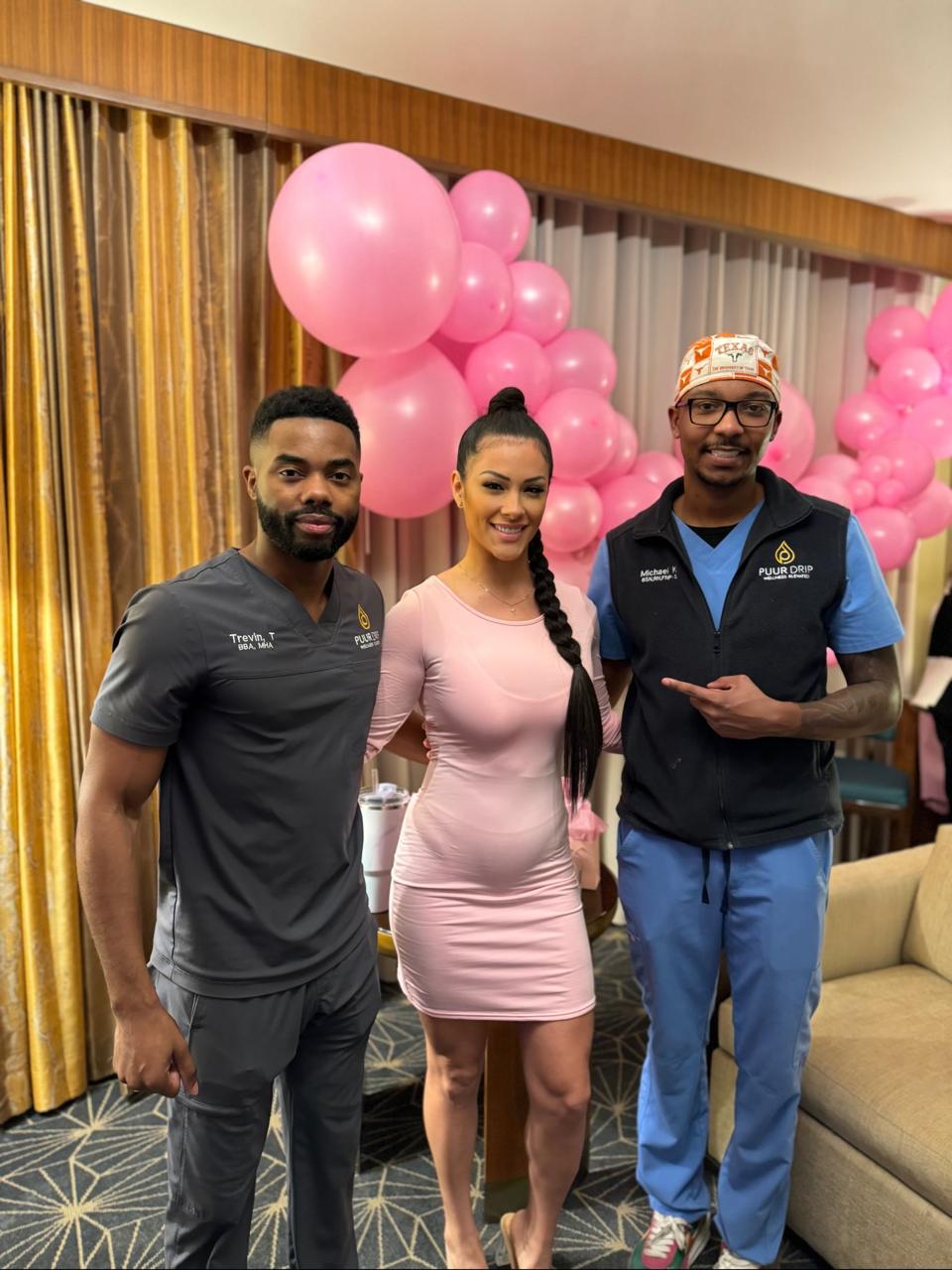
Michael and me. The two of us, figuring it out as we went.
CH. 02The hardest part
What nobody warns you about before you start.
The hardest part of building PUUR wasn't the compliance. It wasn't the money. It wasn't even the long hours.
It was wearing every hat at once.
I was still working my corporate consulting job during the day. Then I'd come home and try to be a clinic owner at night. Sales. Operations. Marketing. Vendor calls. Compliance paperwork. Website edits. Patient questions. Pricing decisions. Hiring. Everything.
And the strange part is this. It wasn't my first business. I'd owned one before. I knew what entrepreneurship felt like. But I still wasn't sure I could do it. There's a specific kind of fear that comes from not knowing what you don't know. The unknown unknowns. The things you don't even know to ask about until they hit you.
"You're not afraid of the problems you can see. You're afraid of the ones you can't."
Every week of those first months, something new would surface. A vendor we hadn't planned for. A compliance question we hadn't asked. A patient scenario we hadn't anticipated. And every time, we'd stop, learn what we needed to learn, and keep building.
If you've felt that fear, the fear of stepping into something you can't fully see, I want you to know it's normal. It doesn't go away. You just learn to move forward despite it.
Where we started. Our first IV room in a shared space, long before the standalone clinic.
CH. 03The moment it worked
It wasn't the money. It was the phone calls.
Around month five, something shifted. We started getting phone calls. Not from our ads, not from our outreach, but from people who'd been told about us by other patients.
Our patients kept telling us the same thing: that we were the first wellness clinic that actually listened to them. They'd talk about us at family gatherings. They'd text their friends. They'd find us on Google and call before they even booked.
That month, we did about $10,000 in revenue. And I remember thinking, this isn't a hobby anymore. This is real.
It wasn't the money that made it real. The money was a byproduct. What made it real was that patients felt heard. Everything that came after, the year-two revenue past $270,000, the three-year anniversary this August, the clinicians who started asking us how we did it, all of it came from that one thing being true first.
Month 5
$10K
When patients started calling because other patients sent them.
CH. 04Before PUUR
Six years inside healthcare. Four places that shaped how I think.
None of these roles taught me how to launch a wellness clinic. None of them. What they taught me was how to operate inside healthcare. How to learn fast. How to teach what I learn. How to navigate compliance, payers, and systems that don't make sense on their face.
HealthPoint
Quality Department · College Station, TX
"Where I learned what healthcare actually feels like."
HealthPoint was a patient-centered medical home outpatient clinic serving an underserved population in College Station, Texas. I worked in the quality department.
This is where I got my hands dirty. Population health management. Programs for ER frequent flyers, patients who were using the emergency room as primary care because they didn't know any other option. I helped HealthPoint earn its PCMH designation, the federal certification that recognizes patient-centered medical homes. I built and tracked the quality metrics that protected funding for a population that depended on us to keep our doors open.
This is where I learned that healthcare isn't a spreadsheet. It's people, paperwork, and persistence. It's about showing up for communities that don't always have a voice.
The quality work at HealthPoint is the reason I take patient experience seriously at PUUR. Spreadsheets don't tell you what patients actually need. People do.
Protiviti
Healthcare Consulting Intern
"Where I learned to follow the money."
My first real exposure to healthcare consulting. At Protiviti I worked on drug diversion audits and external accounting engagements inside healthcare organizations.
Drug diversion audits are exactly what they sound like. Investigations into whether controlled substances inside a healthcare facility are being properly tracked, dispensed, and accounted for. This was my first lesson in how healthcare organizations actually move money, materials, and accountability through their operations.
It was also my first lesson in why compliance isn't paperwork. It's protection.
The audit mindset I built at Protiviti is why I take compliance documentation seriously when I help clinicians launch. Sloppy paperwork is what gets clinics in trouble.
Huron Consulting Group
Healthcare Consultant
"Where I learned how big healthcare really runs."
Huron is one of the largest healthcare consulting firms in the country. I worked on revenue cycle and supply chain engagements with major hospital systems, plus managed global delivery teams across international operations.
Revenue cycle is the entire money side of healthcare. Billing, coding, claims, collections, denials. It's where most healthcare organizations leak revenue, and where most struggle to fix it. Supply chain is the operations side. How supplies get from manufacturers to patients, where costs creep in, and how to negotiate. Global delivery meant managing teams across multiple time zones to deliver work efficiently at scale.
This is where I learned that the biggest healthcare organizations in the country aren't more sophisticated than your local clinic. They just have more zeros and more layers between the problem and the solution.
The Huron work is why I'm not intimidated by the operations side of running a wellness clinic. The same principles that move money through a $2B hospital system move money through your clinic.
ECG Management Consultants
Managed Care Consultant
"Where I learned how the money side really works."
At ECG I worked managed care. The side of healthcare that determines what gets paid, who pays it, and how. I negotiated payer contracts for hospitals and large specialty groups. I built market assessments to evaluate competitive landscapes. I ran reimbursement analyses to figure out what services actually pay and where the financial opportunities live.
This is where I learned how insurance companies actually pay (and don't pay). How market dynamics shape reimbursement. How to read a payer contract and find the leverage. How to turn a pile of healthcare data into a decision that affects millions of dollars in revenue.
I left ECG with a sharper instinct for how the financial side of healthcare actually operates than most clinicians ever get exposed to.
The ECG work is why I can help clinicians think about pricing, payer mix, and reimbursement strategically, not just clinically.
"
None of that work taught me how to launch a wellness clinic. What it taught me was how to learn what I don't know, and how to teach what I learn to people who need to execute.
Six years inside healthcare gave me the muscle. Building PUUR is where I learned to use it. ClinicianCEO is what came out of both.
CH. 05The exit
Leaving corporate. The right way.
I quit my corporate job. But the timing wasn't dramatic, and the exit wasn't bitter.
I left the firms that shaped my career with deep respect and real gratitude. Huron taught me revenue cycle and operations at scale. ECG taught me managed care. Protiviti gave me my first shot in healthcare consulting. HealthPoint showed me what quality work looks like at the patient level. Every one of those organizations supported me as a professional, and the people I worked with were genuinely good to me. I don't have a bad word to say about any of them.
What changed wasn't them. It was me.
PUUR had grown enough that I couldn't keep splitting my attention. Patients needed me more present. Michael and I had built something real, and it needed both of us. And the clinicians who started reaching out to ask how we did it. They needed me to actually be available.
So I made the decision. Clean exit. Amicable. Grateful. Full-time on PUUR, full-time on ClinicianCEO. That's where I am now.
If you're still working a clinical job while planning your own clinic, I'll tell you what I tell every clinician I work with: you don't have to burn the boats on day one. PUUR generated $4,927 in our first month. We built quietly, learned in real time, and made the full transition when the numbers gave us permission. You can do the same.
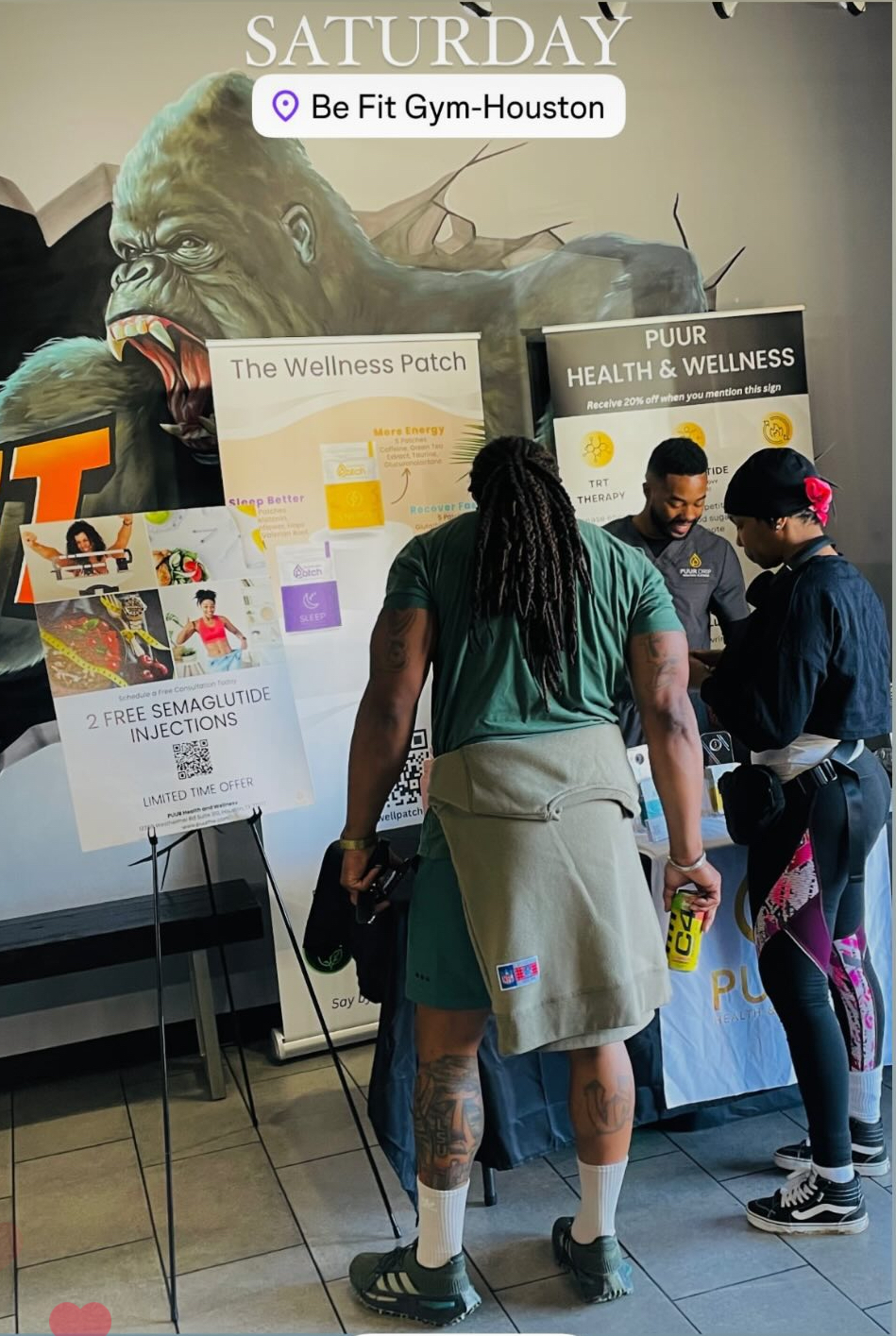
Out repping PUUR, Houston, TX
Outside of work.
I live in Houston, Texas. Michael lives nearby. PUUR is on Westheimer Road, about thirty minutes from where I sleep most nights.
I'm a builder by nature. I like figuring things out. I like watching things go from "this doesn't exist yet" to "this is running on its own." That's what I do for clinics. That's what I do for fun. There isn't much daylight between the two.
When I'm not working on PUUR or ClinicianCEO, I'm usually thinking about them. I know that sounds like a cliché founder thing to say. But it's true.
CH. 06Why ClinicianCEO exists
I'm building the system I wish I'd had.
Somewhere between month five at PUUR and our year-two revenue crossing $270,000, clinicians started reaching out. Other nurse practitioners. Some RNs. A few PAs. They'd see PUUR online, hear about it from a patient, or find Michael through nursing networks, and they'd ask the same question over and over.
How did you do this?
At first I'd just talk to them. Coffee. Phone calls. Long DMs. I'd answer their questions one by one and watch the same patterns repeat. Same fears, same compliance questions, same vendor confusion, same marketing overwhelm.
That's when I realized two things at once. One, almost nothing exists out there that actually helps clinicians launch wellness clinics with real compliance backbone and real operations. Two, I had spent the last two years building exactly that system inside PUUR, and every clinician who reached out wanted access to it.
So I started giving it to them. First through templates. Then through 1:1 work. Eventually through a structured done-for-you launch program: entity formation templates and guidance, MSO agreement templates, medical director or collaborating physician matching, EMR setup, website, protocols, marketing infrastructure. The full system, built for them in 90 days, with a guarantee behind it. But I don't just build it and hand over the keys. I coach and mentor every clinician through the entire process, because the goal isn't just to give them a clinic. It's to make them a clinic owner who actually understands how to run it.
"The system I wished I had two years ago. Now I just give it away."
I cap ClinicianCEO at 15 clients at a time. Not because it sounds good in marketing, but because that's the most I can take on without the work slipping. Pass 15 clinicians, I can't keep the same level of attention I promised, and the guarantee starts to mean less.
If you're reading this because you're thinking about launching your own clinic, that's why I'm here. I've been where you are. I built mine. Now I help clinicians build theirs.
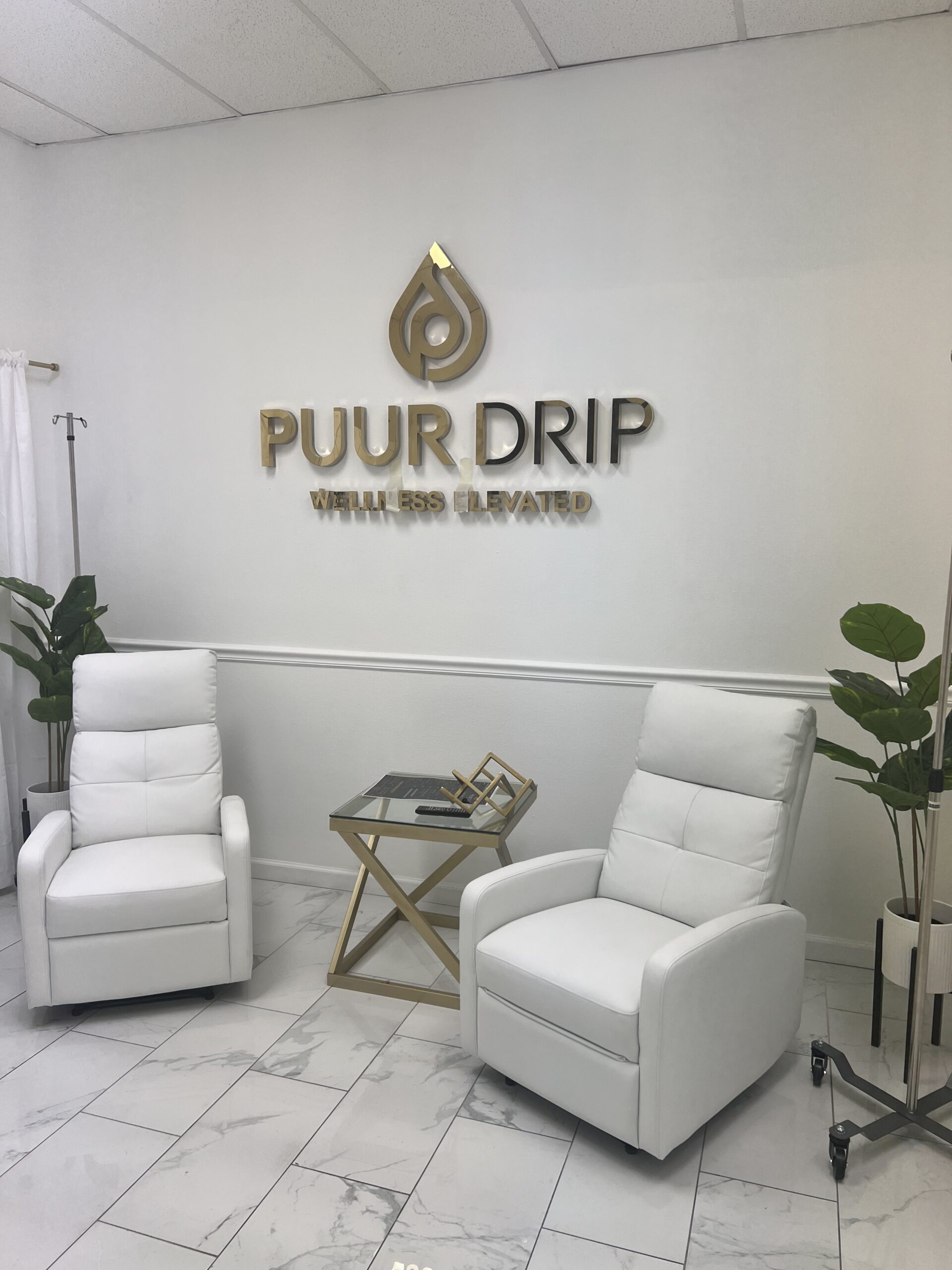
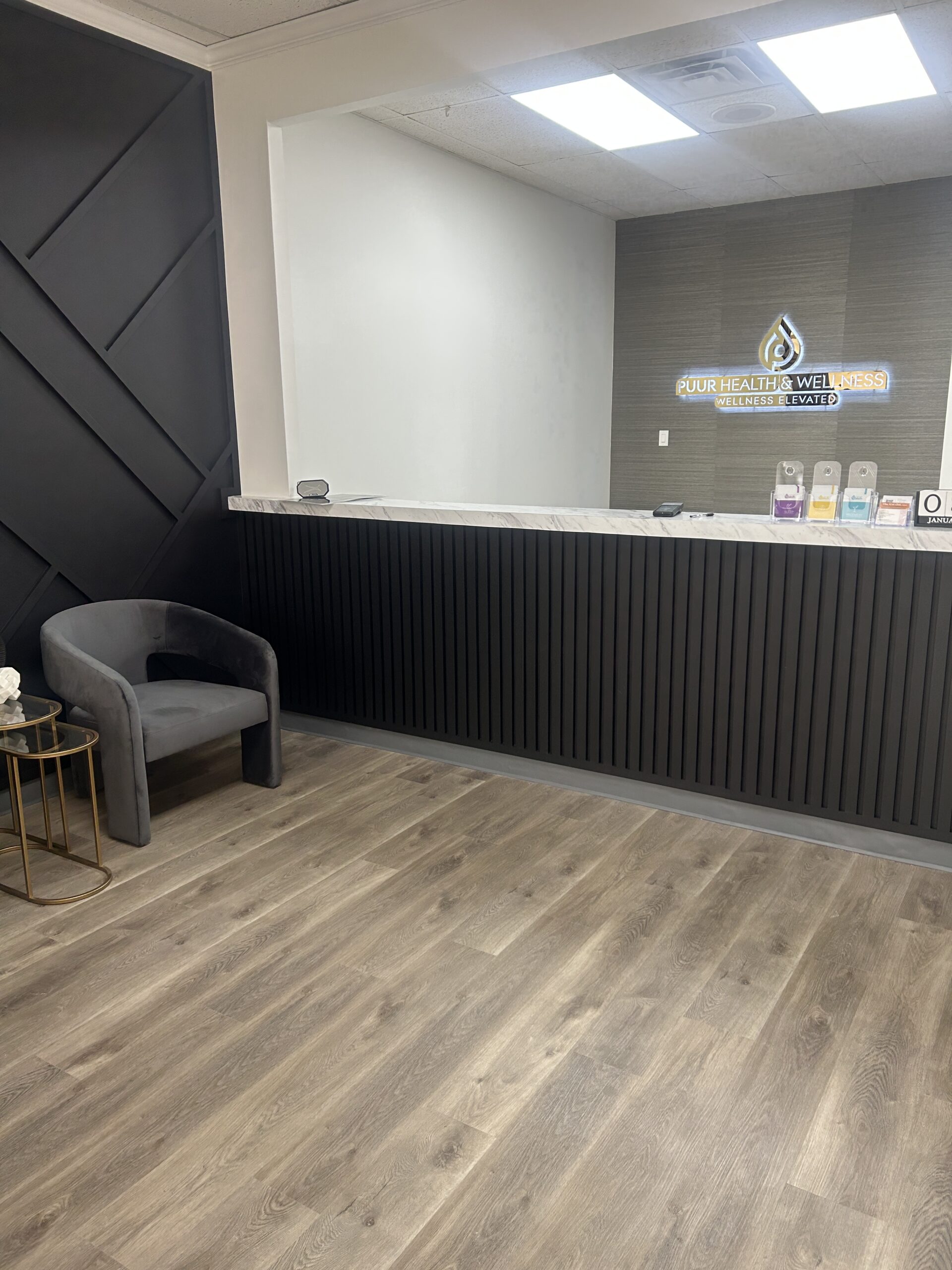
PUUR today. The standalone clinic on Westheimer Road, three years in.
Your move
Let's talk about your clinic.
30 minutes. No pitch. We figure out if this is a fit, what your launch path looks like, and what it would take to open your doors in the next 90 days. Same conversation I wish someone had offered me three years ago.